The Paradox of Change

“It takes a lot of learning to keep something stuck.” That was what Nora Bateson said at a recent development session I attended. Only a … Read more
“It takes a lot of learning to keep something stuck.” That was what Nora Bateson said at a recent development session I attended. Only a … Read more

Ultimately, employee engagement is about caring. But it is a two-way street. If you want your employees to care, then you first have to show them that you care. That is why every individual matters.

True leadership isn’t about antiquated ideas of traditional leadership or leadership development, but about ensuring that you create a culture and environment in which everyone cares: in which everyone is a leader. That is why every individual matters.
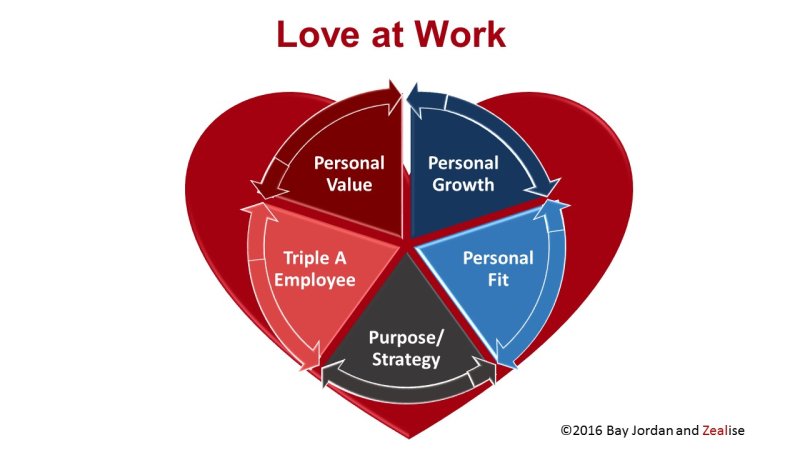
“Work is love made visible.” What do those words of Kahlil Gibran’s say to you? I see them both as a constant source of inspiration … Read more

Wellness, well-being and mindfulness are all becoming hot topics in the HR and business fraternity. It seems that there is a growing awareness of the … Read more

Thus, although coming from three totally different perspectives, all three of these writers reinforce one another’s conclusions. This makes their findings more credible, and more significant for you as a business leader. To significantly transform performance and results you have to create an environment that makes the best of your people or – more accurately – that allows them to make the best of themselves. For this you need to consider how you are going to create a system or systems that addresses the physical and psychological needs of your people. Both collectively and individually, because every individual matters.
If you want to change this and turn things around to fully engage employees and optimise their effectiveness you have to find a way of changing the employee’s relation to their work. This essentially means that you have to create an environment where your employee is not working to “make someone else’s goals come true.” The only way you can do that is to create an environment of shared goals, where your goals and the employee’s correspond. That is the necessity. You have to ‘make your business their business’ – there simply is no other way to resolve this fundamental problem.

Most “disruptive” ideas – like the examples rejected by IBM – were first mooted internally. Their originators, however, had the conviction, determination and drive to pursue them and see them through to success, with the ultimate financial rewards that followed. We call that entrepreneurial spirit, but there is no reason why it has to occur outside the organisation. Supporting their development and offering the originator a royalty in return, creates the best of both worlds. It taps into the creative capabilities of your most important assets whilst simultaneously ensuring that results remain “in-house.” That, surely, is the ultimate win-win.
I was shocked! And slightly disappointed in myself. In hindsight perhaps I shouldn’t have been, but I was – even though I suspect change professionals … Read more

We owe it to ourselves and future generations to get back on the right moral track. Employee ownership or ‘People’s Companies’ clearly offer a means to do this. So why not explore the ‘Every Individual Matters’ model as the way to deliver these?