Why Employee Engagement Programmes Rarely Work

Have you noticed how employee engagement statistics rarely change? It does not seem to matter who conducts the research or whether it applies to the … Read more
Have you noticed how employee engagement statistics rarely change? It does not seem to matter who conducts the research or whether it applies to the … Read more

At the end of the day employees are people and employee engagement is ultimately about nothing more than how best to deal with your people; by treating them as human beings. After all, as Conant clarified, they are what ultimately determine your success.

Included in yesterday’s reports of falling UK unemployment was a statistic that a record number of people are self-employed. You cannot help wondering what this … Read more
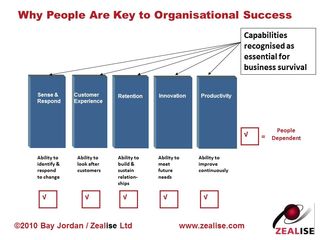
When you do that you have engendered the employee engagement which, the data shows, is the foundation for solid teamwork that gives you the organisational integrity to deliver your strategy, transform your results and sustain your success.
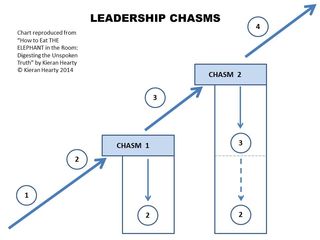
More than this, though, we have to stop incentivising on the basis of performance. This emphasis on performance distracts while driving and distorting all our reward systems. It inverts the order of this model and means, even at the highest level, that managing becomes more important than leading. Furthermore, if this is not bad enough, it also breeds competition amongst the employees and so builds silos, dilutes synergy and destroys organisational integrity.
You really do not have to look any further to unlock leadership.
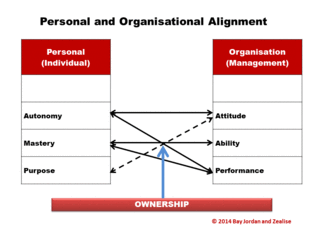
Employee ownership strengthens an employee’s sense of purpose and thereby changes their attitude, but it also helps break the tradition of looking at people purely as a cost and so reinforces the sense of autonomy that builds a virtuous cycle that perpetuates and solidifies the organisational alignment and hence the organisational integrity. Why would you not want to consider this – especially when you can do it at virtually no cost to either individual or organisation? It offers a better employee engagement remedy than anything else in the market.
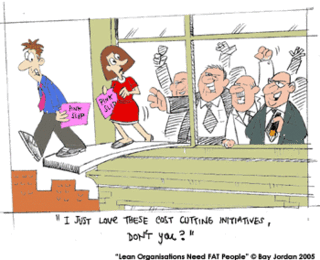
As long as you continue to manage people as costs, rather than as assets, redundancy will always remain an attractive option. Even if redundancy is not a “knee-jerk” reaction to bad performance it certainly can seem like it. At best it reflects badly on management and calls into question their ability – and therefore their right – to oversee a large organisation. Why?

To function effectively and sustain success any business, regardless of its type, has to be more organic: to operate more as an organism than an organisation. This means you have to create an environment where everyone works together to meet the organisational purpose.The collective capability is what creates the precision that powers and propels performance and sustains success.

The challenge Last week we looked at the statement “people are our greatest asset” and found that it was more than a cliché. The definition … Read more

“People are our greatest/most important assets!” How often have you heard that? It has become rather a cliché. But how much validity does the statement … Read more