Do You Really Want Contract Workers?

It started before the “Great Recession” but that period of economic history has seen it proliferate even more. Certainly reports suggest the trend of hiring … Read more

It started before the “Great Recession” but that period of economic history has seen it proliferate even more. Certainly reports suggest the trend of hiring … Read more

Like most people I have been appalled by the recent report on child sex abuse in Rotherham where, for those that may not be aware … Read more

Have you noticed how employee engagement statistics rarely change? It does not seem to matter who conducts the research or whether it applies to the … Read more

Included in yesterday’s reports of falling UK unemployment was a statistic that a record number of people are self-employed. You cannot help wondering what this … Read more
When you do that you have engendered the employee engagement which, the data shows, is the foundation for solid teamwork that gives you the organisational integrity to deliver your strategy, transform your results and sustain your success.
More than this, though, we have to stop incentivising on the basis of performance. This emphasis on performance distracts while driving and distorting all our reward systems. It inverts the order of this model and means, even at the highest level, that managing becomes more important than leading. Furthermore, if this is not bad enough, it also breeds competition amongst the employees and so builds silos, dilutes synergy and destroys organisational integrity.
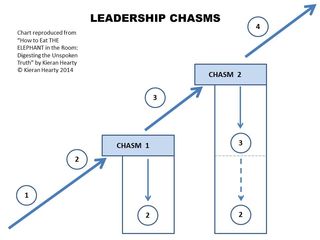
You really do not have to look any further to unlock leadership.
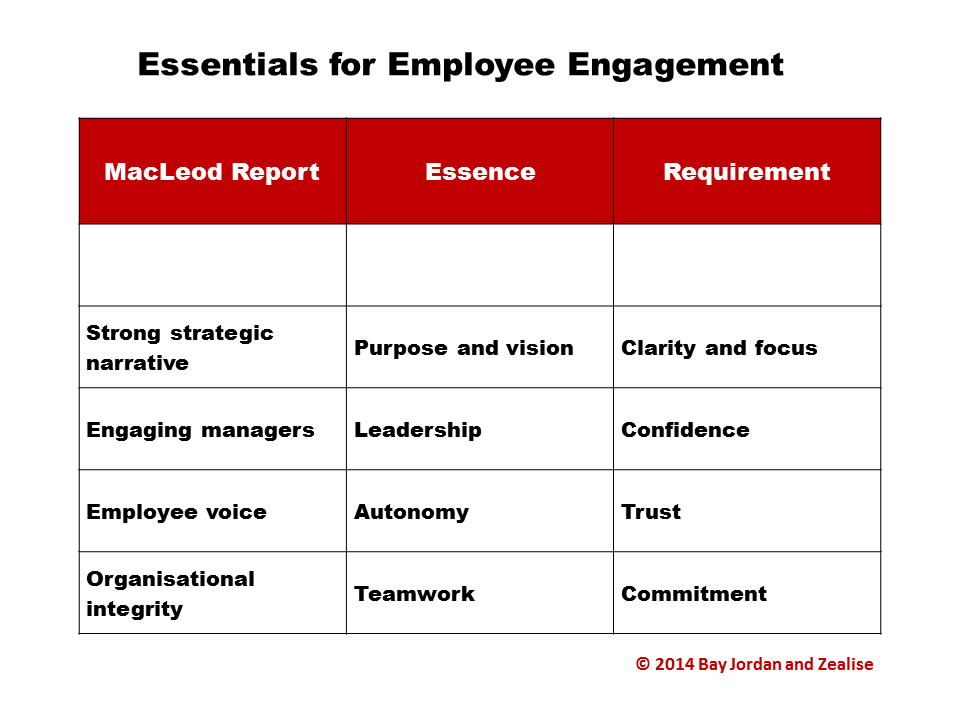
Now you can understand why employee engagement is not an airy-fairy, feel-good concept that HR is trying to foist upon you, but an essential part of business and something that you are – or should be – doing as an integral part of leading your organisation. This is where engagement and success come together. Without employee engagement your success will always be limited.
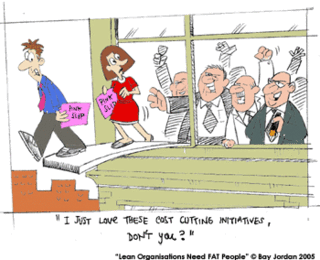
As long as you continue to manage people as costs, rather than as assets, redundancy will always remain an attractive option. Even if redundancy is not a “knee-jerk” reaction to bad performance it certainly can seem like it. At best it reflects badly on management and calls into question their ability – and therefore their right – to oversee a large organisation. Why?

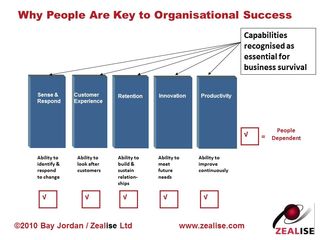
To function effectively and sustain success any business, regardless of its type, has to be more organic: to operate more as an organism than an organisation. This means you have to create an environment where everyone works together to meet the organisational purpose.The collective capability is what creates the precision that powers and propels performance and sustains success.

The challenge Last week we looked at the statement “people are our greatest asset” and found that it was more than a cliché. The definition … Read more